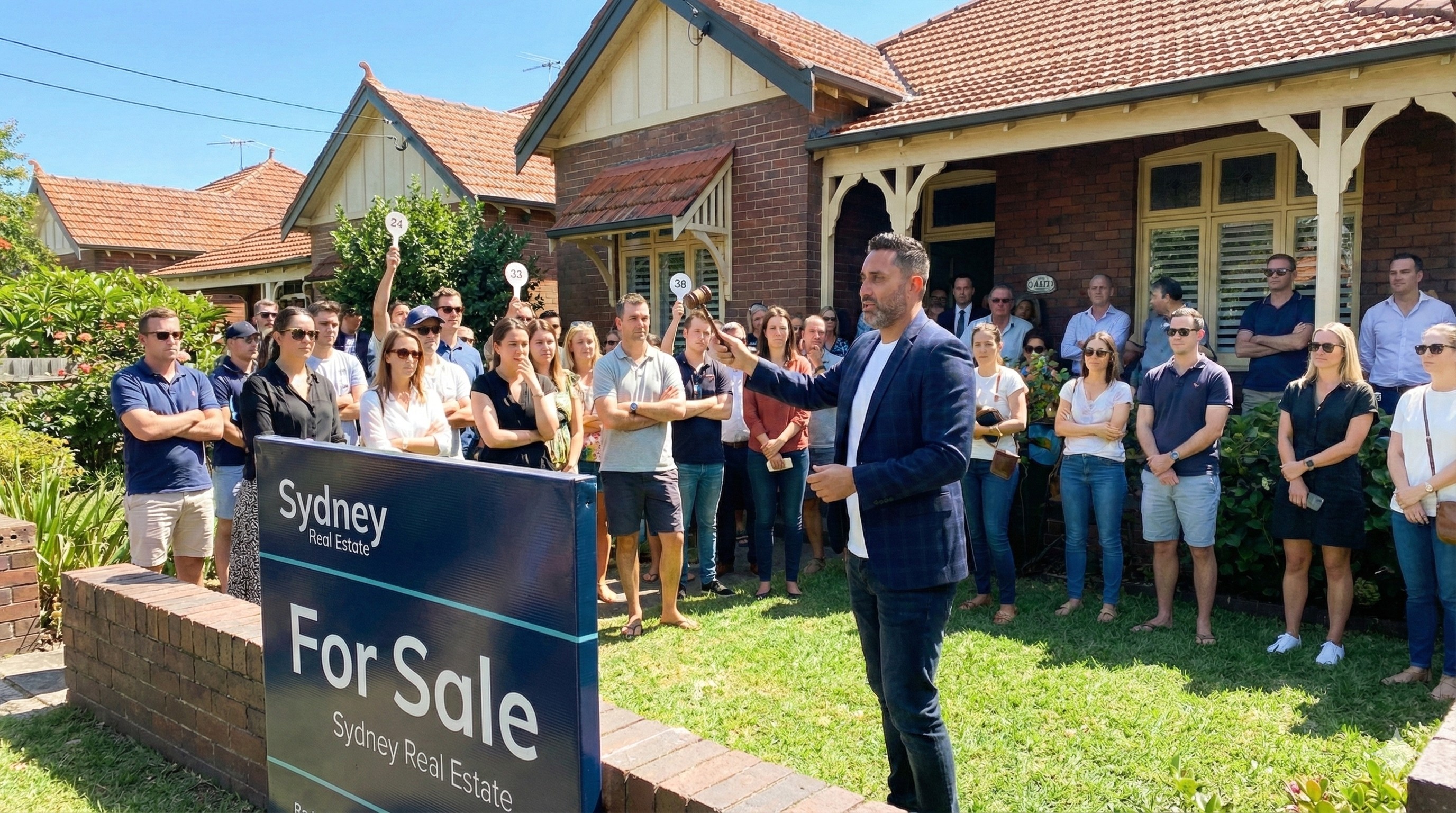

For years, property buyers in New South Wales have been told one thing… only to watch homes sell hundreds of thousands of dollars above the guide.
Now, the NSW Government is finally cracking down on underquoting. Tougher penalties, more audits and stricter rules are being rolled out to stop buyers wasting time and money on homes they were never going to secure.
That’s good news. The playing field is starting to level out.
But let’s be real: it doesn’t suddenly make the game fair.
Sales agents still work for the seller. That’s their job—not yours. Even with new laws, you’re still the one carrying the emotional and financial risk. In this new environment, having someone in your corner matters more than ever.
In this article, we’ll unpack:
- What underquoting actually is
- What’s changing in NSW (in plain English)
- Why the crackdown doesn’t magically fix everything for buyers
- How a buyer’s agent can help you navigate this new landscape
- Practical steps to protect yourself when you’re buying
What Is Underquoting—and Why Does It Matter?
Underquoting happens when a selling agent advertises a property at a price that’s lower than what the vendor is really expecting, or lower than a reasonable estimate of the likely sale price.
NSW’s underquoting laws exist for a simple reason: to stop buyers wasting money and time on properties that are clearly outside their budget.
When price guides are misleading, buyers often:
- Pay for building and pest inspections on homes they were never going to secure
- Invest hours in open homes, research and emotional energy
- Push their budgets in the heat of an auction, often beyond what’s safe
The result? Fatigue, frustration, and—too often—long-term financial stress.
What’s Changing in NSW’s Underquoting Crackdown?
The NSW Government has announced tougher measures to deal with underquoting and misleading price practices. Some of the key changes include:
1. Much Higher Penalties
Penalties for underquoting are set to increase significantly—from $22,000 to up to $110,000 or three times the agent’s commission, whichever is higher. The aim is to ensure that fines are a genuine deterrent, not just a cost of doing business.
2. Mandatory Price or Price Guide on Listings
Agents will be required to include a clear price or price guide on all property advertising. No more vague “Price on request” to dodge accountability on expectations. The idea is simple: buyers shouldn’t waste time on properties that were never remotely in their range.
3. Statement of Information (SOI)
Agents will need to publish a Statement of Information outlining how they arrived at their price estimate. This typically includes comparable recent sales, evidence of local market conditions, and suburb median prices. This kind of transparency is designed to give buyers more context behind the guide—not just a number pulled from thin air.
4. Data-Led and “Anytime, Anywhere” Audits
NSW Fair Trading is now running targeted operations where agencies with “red flags” in their pricing are asked to explain discrepancies between guides and sale prices. Technology, including data analytics and AI, is being used to spot patterns—similar to “speed cameras” for underquoting.
So… Does This Make the Game Fair for Buyers?
Short answer: it helps—but it doesn’t fix everything.
The crackdown is a step in the right direction. Buyers should see fewer extreme bait-price situations where a home sells for double the guide.
But there are still some hard truths:
- Sales agents still work for the seller. Their legal and commercial duty is to get the best outcome for the vendor—not to help you buy well.
- Price guides are still just guides. Even with tighter rules, guides will always be estimates, not guarantees. Competition, emotion and scarcity can still push prices higher.
- Underquoting can evolve, not disappear. Some agents will adjust how they operate, but there will always be pressure to generate interest and drive prices up.
- You still don’t see everything. Underquoting reforms don’t suddenly give you access to off-market or pre-market deals—many of the best opportunities are still traded quietly through relationships.
So while the rules improve transparency, they don’t give you a strategist, a negotiator, or someone whose only job is to protect your interests.
Where Buyers Are Still Exposed
Even with stronger laws, buyers are still vulnerable in a few key areas:
1. Overpaying Through Emotion
Auctions are intentionally designed to be high-pressure. When you’ve already fallen in love with a property, it’s easy to stretch beyond your comfort zone and justify “just one more bid”.
2. Misreading the Numbers
A price guide of “$1.3m–$1.4m” doesn’t tell you whether that’s conservative, realistic or optimistic for the area. Without context on comparable sales and local demand, you’re guessing.
3. Hidden Risks in the Fine Print
Issues with strata reports, easements, building defects or zoning can dramatically change what a property is really worth to you—but they’re rarely obvious in a 20-minute open home.
4. Limited Access to Opportunities
The best opportunities often never hit the portals. They get sold off-market or pre-market through existing relationships between selling agents and experienced buyers. Underquoting rules don’t fix any of this.
How a Buyer’s Agent Fits Into This New Landscape
In a market where the Government is finally pushing sales agents to lift their game, a buyer’s agent is the person in your corner—backing you, questioning the numbers and keeping you disciplined.
1. Interpreting Price Guides and SOIs
A good buyer’s agent doesn’t just look at the price guide. They analyse comparable sales (including those not widely advertised), benchmark the guide against local trends and auction results, and assess the property’s condition, potential and risks. You’re not relying entirely on the agent’s “best guess”—you’re working from independent data.
2. Doing the Due Diligence Properly
Instead of racing to organise reports for every property you like, a buyer’s agent helps you shortlist the properties that genuinely fit your budget and goals, order building and pest reports strategically, and identify red flags early so you don’t pour money into dead ends.
3. Strategy and Negotiation—From Day One
Whether it’s a private treaty or auction, a buyer’s agent builds a clear negotiation or bidding strategy, sets your walk-away point based on data rather than emotion, and handles conversations with the selling agent so you don’t reveal your position too early. The selling agent negotiates every week; you might negotiate a property once every 10–15 years. That asymmetry matters.
4. Access to Off-Market and Pre-Market Properties
Crucially, the new underquoting rules do not give you access to off-market or pre-market deals. A buyer’s agent with strong relationships can tap into properties that are never listed online, get you in the door before the broader market sees the home, and help you secure a property quietly with less competition.
How I Work With Buyers (and Why Strategy Matters)
On my site, I describe myself as “Your Property Partner. Backed by Strategy, Driven by Results.” That’s not just a tagline—it’s how I approach every brief.
Here’s what that means in the context of the underquoting crackdown:
- Data-led decisions: I combine on-the-ground experience with hard data—recent sales, suburb trends, yield metrics and risk factors—so you’re not flying blind.
- Shortlists, not overwhelm: Instead of you scrolling for hours, I cut through the noise and bring you only the properties worth serious consideration.
- Negotiating like it’s my money on the table: I bring discipline and calm to your purchase—especially when emotions run high.
- A trusted team around you: I connect you with brokers, conveyancers, building inspectors and other specialists I trust, so every step (and risk) is covered.
Practical Steps NSW Buyers Should Take Now
If you’re planning to buy in NSW in the next 3–12 months, here’s how to protect yourself in this changing environment:
- Get clear on your numbers first: Speak with a mortgage broker, understand your borrowing capacity and set a realistic ceiling before you walk into a single open home.
- Treat price guides as educated guesses, not promises: Use them as a starting point, then look at comparable sales, recent auction results and suburb trends.
- Look beyond the portals: Register your interest with local agents, but remember their priority will always be the vendor. Consider working with a buyer’s agent who can unlock off-market and pre-market opportunities.
- Don’t skip due diligence: Building, pest and strata reports can feel expensive—but buying the wrong property is far more costly.
- Have a game plan for auctions: Decide your maximum bid before you arrive, and stick to it. If you struggle with this, have a professional bid on your behalf.
- Get someone in your corner: In a market where sales agents and government regulators both have their own roles, it’s worth having someone whose only job is to protect yours.
Final Thoughts: Laws Help, But They Don’t Replace Strategy
NSW’s underquoting crackdown is overdue—and it’s a win for transparency. Higher penalties, mandatory guides and Statements of Information should reduce some of the worst behaviour and help buyers make more informed decisions.
But laws alone can’t remove the emotional pressure of auctions, guarantee that a guide will match the final sale price, give you access to off-market deals, or read contracts, spot hidden risks and negotiate on your behalf.
That’s where a professional on your side changes everything.
If you’d like someone backing you, questioning the numbers, and guiding you from first inspection to keys-in-hand, I’d love to help.
Book a free 15-minute consultation and let’s talk about where you are now, where you want to be—and the smartest path to get there.




Similar articles
Related Article

Dec 17, 2025
Off-Market Property in Sydney: Secrets, Myths & What’s Actually True
Jon D'Souza
Read Article
Dec 9, 2025
Stop Spending Every Weekend at Open Homes: A Smarter Way to Buy in Sydney
Jon D'Souza
Read Article
Dec 9, 2025
Too Busy to Buy? How Professional Couples Still Win in Sydney’s Property Market
Jon D'Souza
Read Article
Dec 9, 2025
Time, Money, Stress: The Three Costs JD Buyers Agents Removes for Home Buyers
Jon D'Souza
Read Article
Dec 9, 2025
What Is a Buyer’s Agent – And Do You Really Need One?
Jon D'Souza
Read Article